From the blog
Vitamin D 84 mcg Explained: What 3,360 IU a Day Means for You
84 mcg of vitamin D3 is 3,360 IU, or 420% of the Daily Value. It is below the 100 mcg (4,000 IU) daily upper limit for adults, but close to it. One Military Honey gummy a day is within the limit on its own; adding a multivitamin or another vitamin D product, or taking two gummies, can push you over.
The number on the label
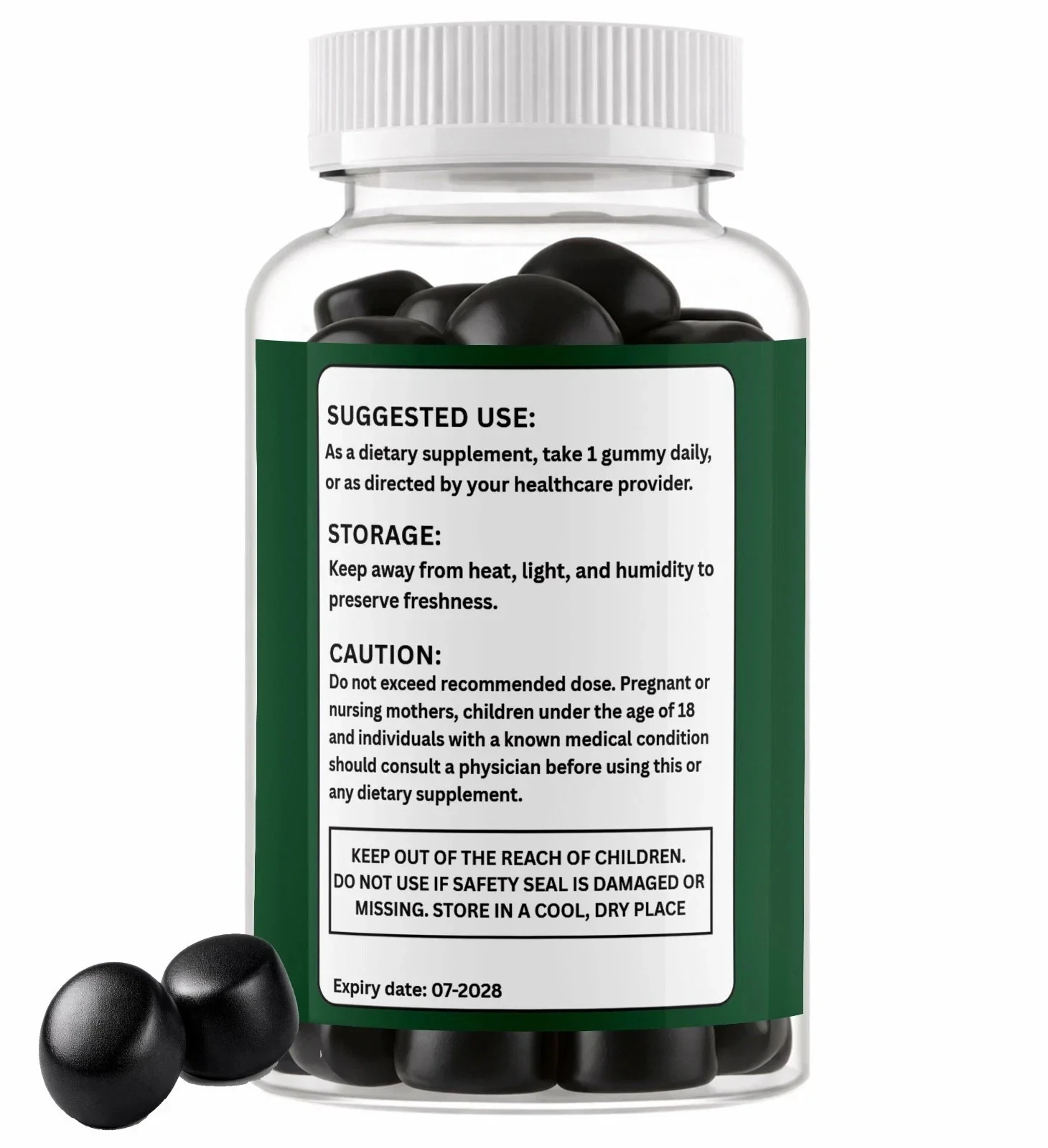
Every page, every journal post, the bottle facts and the ingredients are checked by Dr. Joette James, PhD against the label and the cited sources. The Military Honey Supplement Facts panel lists “Vitamin D3 (As Cholecalciferol) 84mcg 420%.” That one line is the most important number on the bottle. It is the one ingredient present at a dose that clearly does something in the body, and it is also the one that needs the most care.
This article explains what 84 mcg means, how it compares with daily needs and the upper limit, who might benefit, and who should talk to a doctor first. All reference numbers come from the NIH Office of Dietary Supplements vitamin D fact sheet.
mcg and IU: two ways to write the same dose
Vitamin D is measured two ways. Newer labels use micrograms (mcg). Older labels and many doctors use international units (IU). The conversion is simple: 1 mcg of vitamin D equals 40 IU.
So 84 mcg is 3,360 IU. The Daily Value of 20 mcg is 800 IU. The adult upper limit of 100 mcg is 4,000 IU.
| Reference point | mcg | IU |
|---|---|---|
| Military Honey, 1 gummy | 84 | 3,360 |
| Daily Value (label %DV basis) | 20 | 800 |
| RDA, adults 19–70 | 15 | 600 |
| RDA, adults over 70 | 20 | 800 |
| Upper limit, adults | 100 | 4,000 |
| 2 gummies | 168 | 6,720 |
How 84 mcg compares with what you need
The Recommended Dietary Allowance (RDA) is the amount that meets the needs of nearly all healthy people. For adults 19 to 70 it is 15 mcg a day; over 70 it is 20 mcg (NIH Office of Dietary Supplements, “Vitamin D: Fact Sheet for Health Professionals”). One gummy gives more than four times the RDA.
The RDA assumes little sun, so it is a safe target even for people who stay indoors. Many people also get some vitamin D from sunlight, fortified milk, eggs and oily fish.
The upper limit (UL) is different. It is the most you can take daily over the long term with little risk of harm for most people. For adults it is 100 mcg a day from all sources: food, drinks and supplements combined. At 84 mcg, one gummy fills 84% of that space on its own.
Who might benefit from this dose
Vitamin D helps your body absorb calcium and supports bones and muscles. Low levels are common, especially in people with little sun exposure, darker skin, older age, higher body weight, or conditions that affect fat absorption.
People who are low in vitamin D can feel tired and have muscle aches or weakness. Correcting a real deficiency can help those symptoms. That is the most realistic way this gummy could help with “energy.”
If your level is already normal, extra vitamin D is unlikely to raise your energy. Studies of vitamin D supplements in people who are not deficient have not shown clear benefits for energy or athletic performance.
Little sun
Indoor work, winter months, northern latitudes.
Older adults
Skin makes less vitamin D with age.
Darker skin
Makes less vitamin D from the same sunlight.
Tested low
A blood test is the only way to know.
Stacking: the real risk with this gummy
The risk with 84 mcg is not the gummy alone. It is adding other sources. Many multivitamins contain 20 to 25 mcg of vitamin D. Some “immune” or “bone” products contain 25 to 125 mcg. Calcium supplements often include vitamin D too.
Add a 25 mcg multivitamin to one gummy and you are at 109 mcg, above the upper limit. Add a separate 50 mcg vitamin D and you are at 134 mcg. Take two gummies and you are at 168 mcg.
| Your daily routine | Total vitamin D | vs. 100 mcg UL |
|---|---|---|
| 1 gummy only | 84 mcg | Under |
| 1 gummy + multivitamin (25 mcg) | 109 mcg | Over |
| 1 gummy + vitamin D 50 mcg | 134 mcg | Over |
| 2 gummies | 168 mcg | Well over |
What happens if you take too much
Vitamin D is fat-soluble. The body stores it, so levels build up over weeks. Too much for a long time can raise calcium in the blood (hypercalcemia). Signs include nausea, vomiting, constipation, loss of appetite, muscle weakness, confusion, heavy thirst and frequent urination. Over time, high calcium can cause kidney stones and damage to kidneys and blood vessels (NIH Office of Dietary Supplements, “Vitamin D: Fact Sheet for Health Professionals”).
Serious toxicity is rare and usually comes from very high doses over time, often from mislabeled products or large misunderstanding of doses. Staying at or below the upper limit keeps the risk low for most healthy adults.
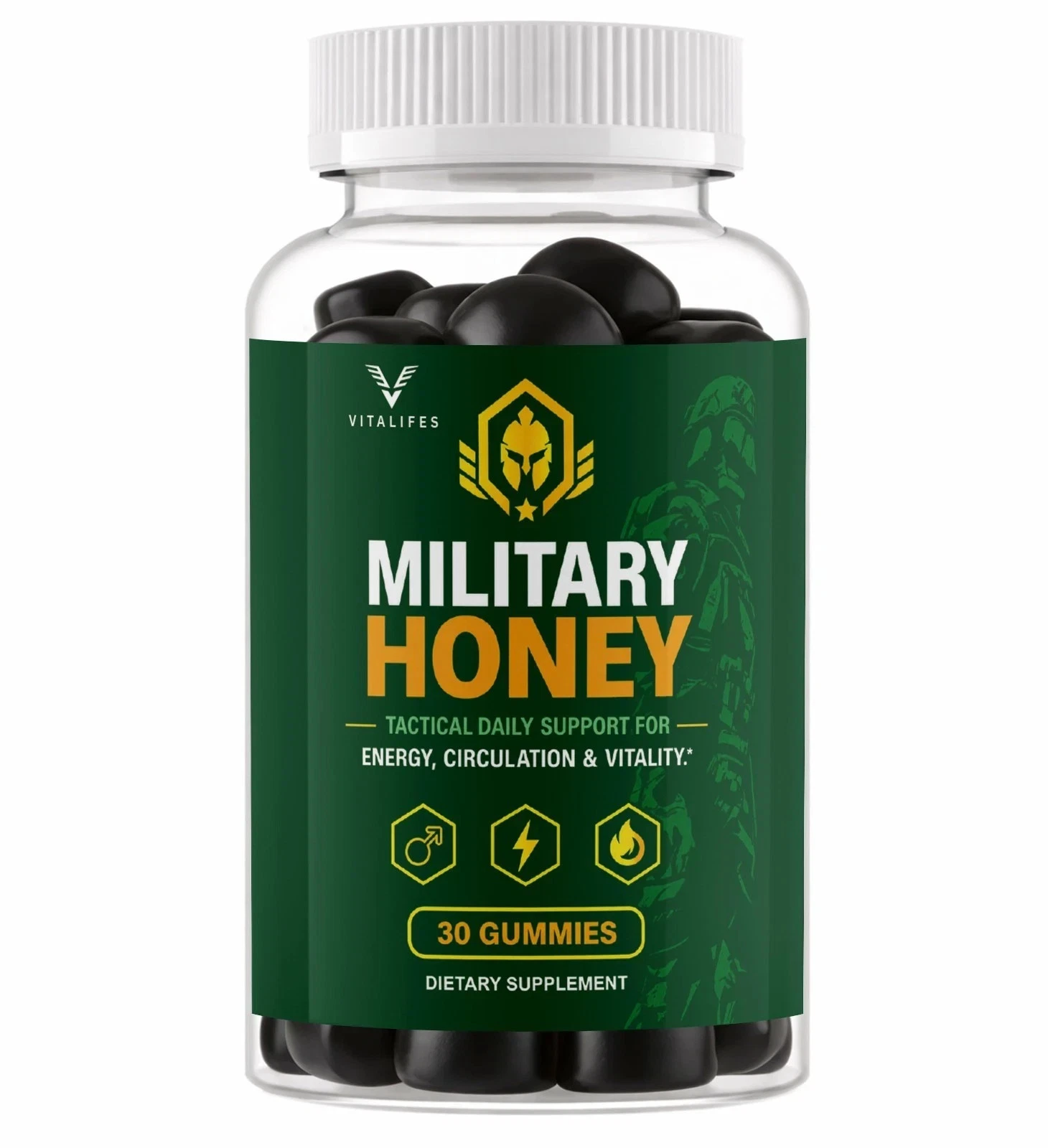
Read the full Military Honey label before you order.
Check today’s priceMedicines and conditions that need a doctor’s check
| Situation | Why it matters |
|---|---|
| Thiazide diuretics (for example, hydrochlorothiazide) | Lower calcium loss in urine; with vitamin D can raise calcium |
| Digoxin | High calcium increases the risk of heart-rhythm problems |
| Steroids such as prednisone | Can lower vitamin D levels; doses may need adjusting |
| Orlistat and some cholesterol drugs | May reduce vitamin D absorption |
| Kidney disease or kidney stones | Calcium handling is already affected |
| Parathyroid disease or sarcoidosis | Can raise calcium and vitamin D activity |
The NIH fact sheet lists these and other interactions (NIH Office of Dietary Supplements, “Vitamin D: Fact Sheet for Health Professionals”). The Military Honey label itself says people with a known medical condition should consult a physician.
How to take a high-dose vitamin D product well
Get a baseline
Ask your doctor about a 25-hydroxyvitamin D blood test.
Count every source
Multivitamins, calcium, “immune” products, fortified drinks.
One gummy, with a meal
Fat in the meal helps absorption.
Never double up
If you miss a day, skip it; do not take two.
Recheck
Your doctor may recheck your level after a few months.
Why the “honey” and herbs are not the story
The name and the front label focus on military branding and herbs, but the panel shows a different balance. Four herbs are present at 100 mcg each, which is 0.1 mg. There is no honey listed. Boron is 7 mg.
In practical terms, when you take one Military Honey gummy, the ingredient your body will notice most is vitamin D. That is why understanding this one line of the label is worth more than any marketing claim.
The bottom line
84 mcg of vitamin D3 (3,360 IU) is a high but legal daily dose, 420% of the Daily Value and 84% of the adult upper limit. It may help people who are low in vitamin D. It is unlikely to raise energy in people who are not.
Take one gummy a day at most, add up vitamin D from everything else you take, and ask your doctor first if you take thiazides, digoxin or steroids, or have kidney or parathyroid problems.
Sources
- NIH Office of Dietary Supplements. Vitamin D: Fact Sheet for Health Professionals. NIH ODS, current revision. Checked September 22, 2026.
Questions on this topic
More answers on the full FAQ page.
How many IU is 84 mcg of vitamin D?
3,360 IU. Multiply mcg by 40.
Is 84 mcg of vitamin D safe?
For most healthy adults it is under the 100 mcg upper limit, but close to it. Do not add other vitamin D without advice.
Can I take Military Honey with a multivitamin?
Check the multivitamin’s vitamin D first. Many contain 20–25 mcg, which would put you over 100 mcg.
What are signs of too much vitamin D?
Nausea, vomiting, weakness, confusion, thirst and frequent urination, from high calcium.

Ready to try Military Honey?
Pick a pack and see the price at checkout. The money-back guarantee is as printed on the listing. Questions first? The contact page lists every desk.
Sold through a U.S. stocking partner for Military Honey. This site is not the manufacturer and earns when you buy.Keep reading
Micrograms vs. milligrams
Micrograms vs. milligrams on supplement labels: how mcg and mg compare, what 10:1 extracts…
Read more →Is there honey in Military Honey?
Is there honey in Military Honey? No honey is listed on the Supplement Facts panel. What t…
Read more →Military Honey ingredients
Vitamin D3, boron and four herbal extracts.
Read more →