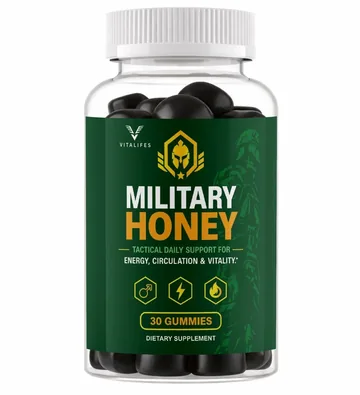
Trust check
Military Honey Boron: What Does 7 mg Per Gummy Mean?
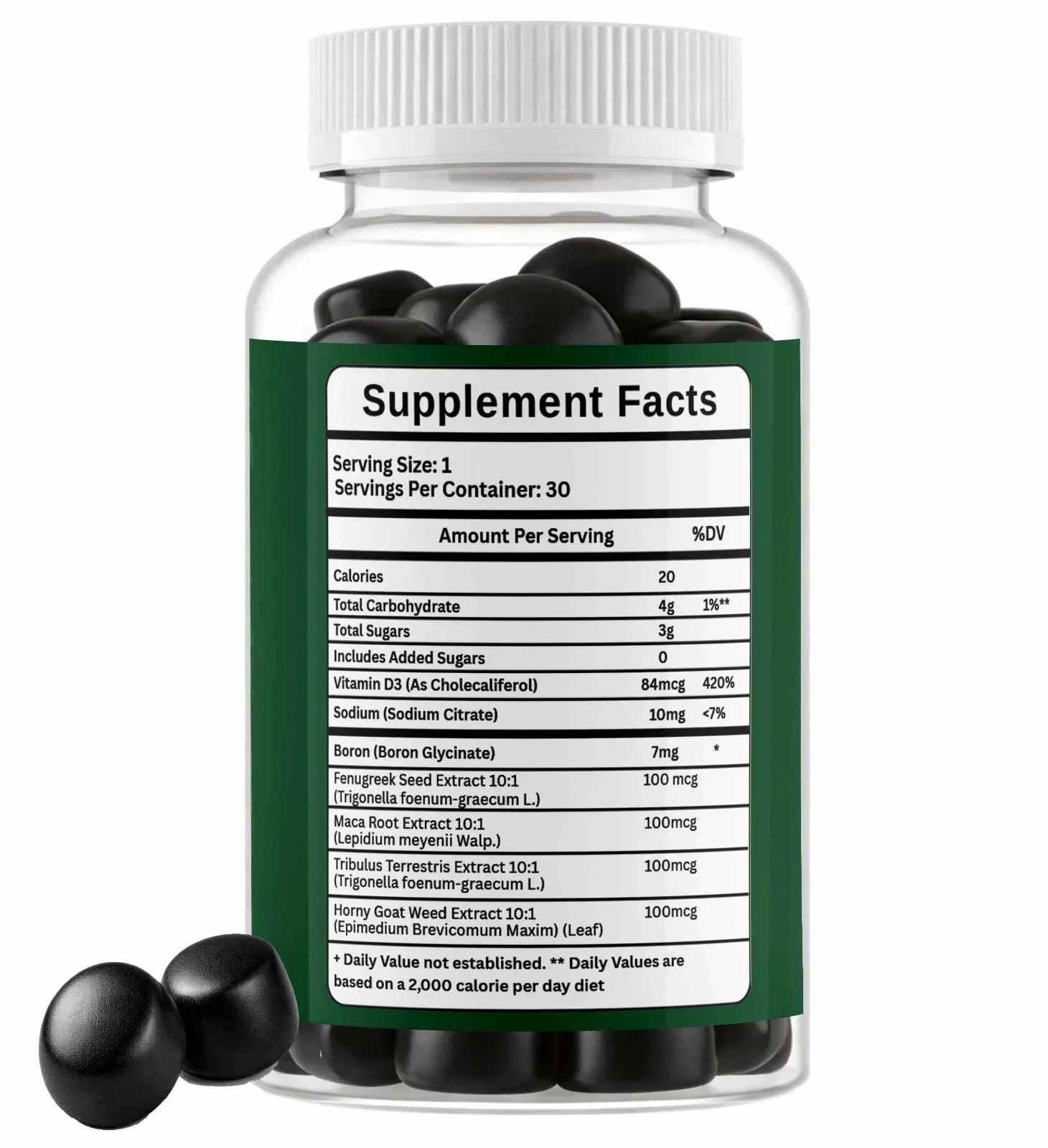
Military Honey boron is 7 mg per gummy, given as boron glycinate. Food gives most adults about 1 to 1.5 mg a day, and the adult upper limit is 20 mg a day. So one gummy sits at about a third of the limit. The NIH calls the evidence for boron supplements limited.
Military Honey boron is the second-largest active on the label, after vitamin D, and it gets far less attention. The panel lists 7 mg of boron per gummy. That is a real dose, not a trace. This page explains what the number means, how it compares with food and with the upper limit, and what a careful buyer should check.
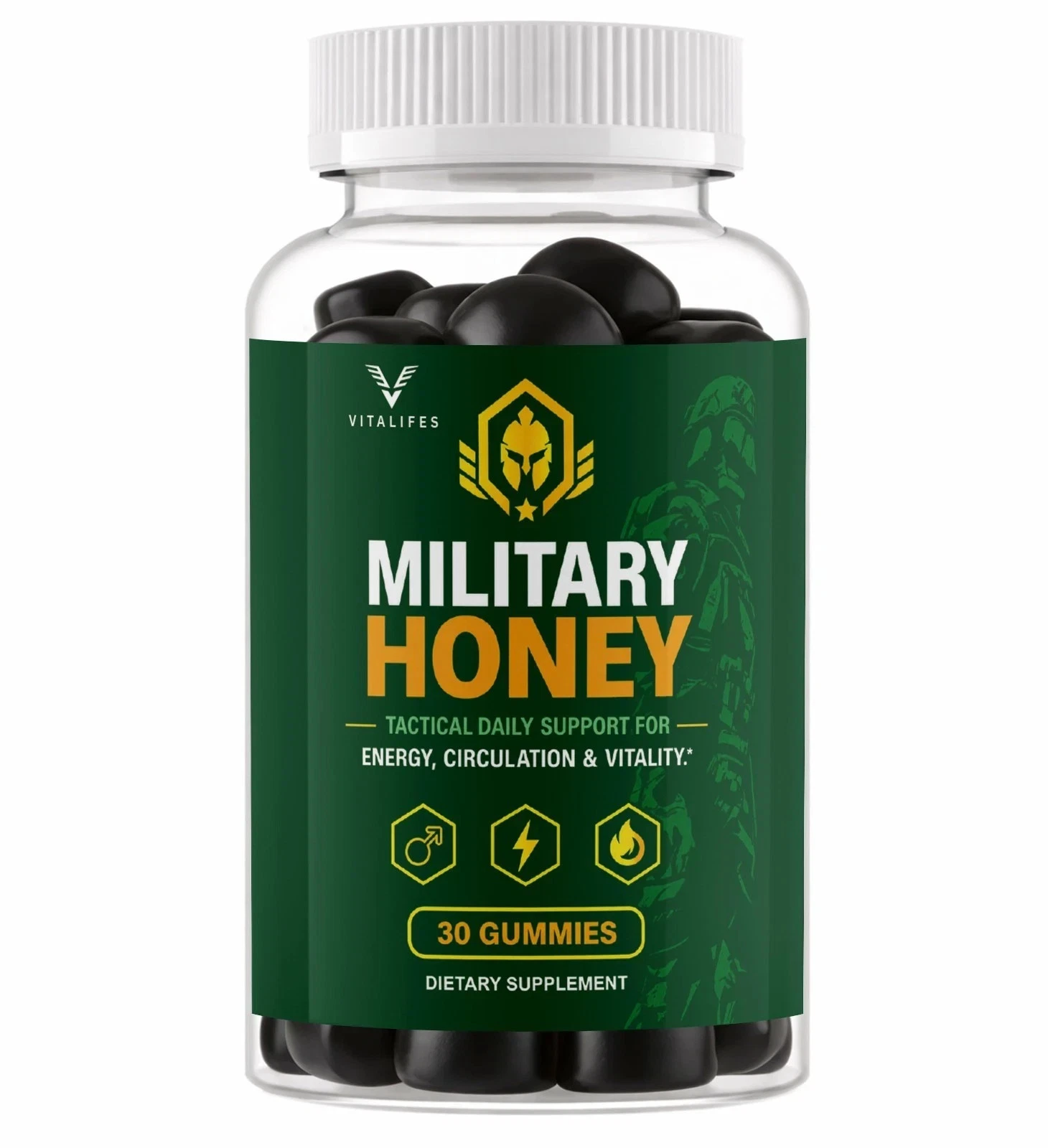
Want to read the boron line on your own bottle? The order page shows the pack terms before you pay.
See today’s price and guaranteeGomilitaryhoney earns when you order through its buttons.Key facts
- Boron is listed as boron glycinate, which is boron bound to the amino acid glycine.
- One gummy holds 7 mg. No Recommended Dietary Allowance and no Daily Value exist for boron.
- Food gives most adults about 1 to 1.5 mg a day, so one gummy is roughly five times that.
- The adult upper limit is 20 mg a day, and 7 mg is about a third of it.
- The NIH describes the evidence for boron supplements as limited.
What is the Military Honey boron on the label?
The Supplement Facts panel lists boron as boron glycinate at 7 mg per gummy. Boron is a trace mineral. In this form, the boron is bound to glycine, a simple amino acid. The label does not give a Daily Value for boron, because none has been set. A plus mark takes the place of a percentage, and the footnote says a Daily Value is not established.
Seven milligrams is the same as 7,000 micrograms. That is why the boron line looks so different from the herb lines, which are 100 mcg each. Our page on micrograms and milligrams shows why those two units are so far apart.
How does Military Honey boron compare with food?
There is no Recommended Dietary Allowance for boron. The site’s research notes say a typical adult diet supplies roughly 1 to 1.5 mg a day. One gummy brings 7 mg. Seven divided by 1.5 is about 4.7, so the gummy gives roughly five times the amount food usually gives.
| Figure | Amount |
|---|---|
| Boron in one Military Honey gummy | 7 mg |
| Typical food intake for adults | About 1 to 1.5 mg a day |
| Adult upper limit, all sources | 20 mg a day |
| Share of the upper limit in one gummy | About one third |
| Daily Value on the label | Not established |
Those numbers come from the NIH Office of Dietary Supplements fact sheet as summarized on the ingredients page of this site.
Is the Military Honey boron dose near the upper limit?
No. The adult upper limit for boron is 20 mg a day from all sources, and one gummy gives 7 mg. That leaves room, which is a sharp contrast with vitamin D in the same gummy. The vitamin D is 84 mcg against an upper limit of 100 mcg, so it uses 84% of its limit. Boron uses about 35%.
Room is not a reason to take more. The label asks you not to exceed the recommended dose, and the dose is one gummy a day. A second gummy would give 14 mg of boron, which is still under 20 mg, but it would also give 168 mcg of vitamin D. The vitamin D is the reason to stay at one. See our page on vitamin D 84 mcg.
What does research say about boron?
The site’s notes say boron has been studied in small trials, mostly for bone and hormone markers, and that the NIH calls the evidence limited. Trials used between 1.5 and 12 mg. The Military Honey dose of 7 mg sits inside that range.
That is all we can say. We do not claim that boron raises testosterone, builds bone or gives energy. The label does not say so either. It says tactical daily support for energy, circulation and vitality, which is general wording. A small trial on markers is not proof that a gummy will change how you feel.
Who should ask a doctor about boron first?
Very high doses of boron can cause nausea, vomiting and diarrhea, according to the NIH summary. At 7 mg you are well below the level where those effects are reported. Still, the label asks people with a known medical condition, people who are pregnant or nursing and anyone under 18 to speak to a physician first. If you take medicine, ask your pharmacist whether any other product you use also contains boron.
Add up boron from every source if you use more than one supplement. The same habit helps with vitamin D. Write the amounts on a list and bring it to your appointment.
What is not published about boron here?
The source of the boron glycinate, the batch purity and any lab result are not published. A lab certificate is not supplied with the listing, and the CoA code on the pictured bottle is only a label code. We also cannot say how much boron your diet already gives you. Only your own food record and your doctor can help with that.
Where do these facts come from?
The label lines and codes are read from the pictured bottle and this site’s own pages. Outside sources are listed here.
- NIH Office of Dietary Supplements, “Boron: Fact Sheet for Health Professionals”
- NIH Office of Dietary Supplements, “Vitamin D: Fact Sheet for Health Professionals”
- Military Honey ingredients page
- Military Honey supplement facts page
Frequently asked questions
How much boron is in Military Honey?
Each gummy lists 7 mg of boron as boron glycinate. A bottle holds 30 gummies, so a full bottle holds 210 mg in total.
Is 7 mg of boron too much?
It is about a third of the 20 mg adult upper limit. Food gives most adults about 1 to 1.5 mg a day. The dose is not near the limit, but check other supplements.
What is boron glycinate?
It is boron bound to glycine, an amino acid. It is the form named on the Military Honey label.
Does Military Honey boron raise testosterone?
The label makes no such claim, and the NIH calls the evidence for boron supplements limited. We do not claim it.
Can I take other boron products with Military Honey?
Ask your doctor or pharmacist first. Add up boron from every product, and keep to the label dose of one gummy a day.
Is Military Honey approved by the FDA?
No. The FDA approves no dietary supplements.
Our view
The boron in Military Honey is one of the few meaningful doses on the label. It is about five times what food usually gives and about a third of the adult upper limit. That makes it easy to see and easy to judge.
The limit on the gummy is vitamin D, not boron. Keep to one gummy a day, count your other supplements and speak to your doctor if you take medicine or have a health condition.
Last updated
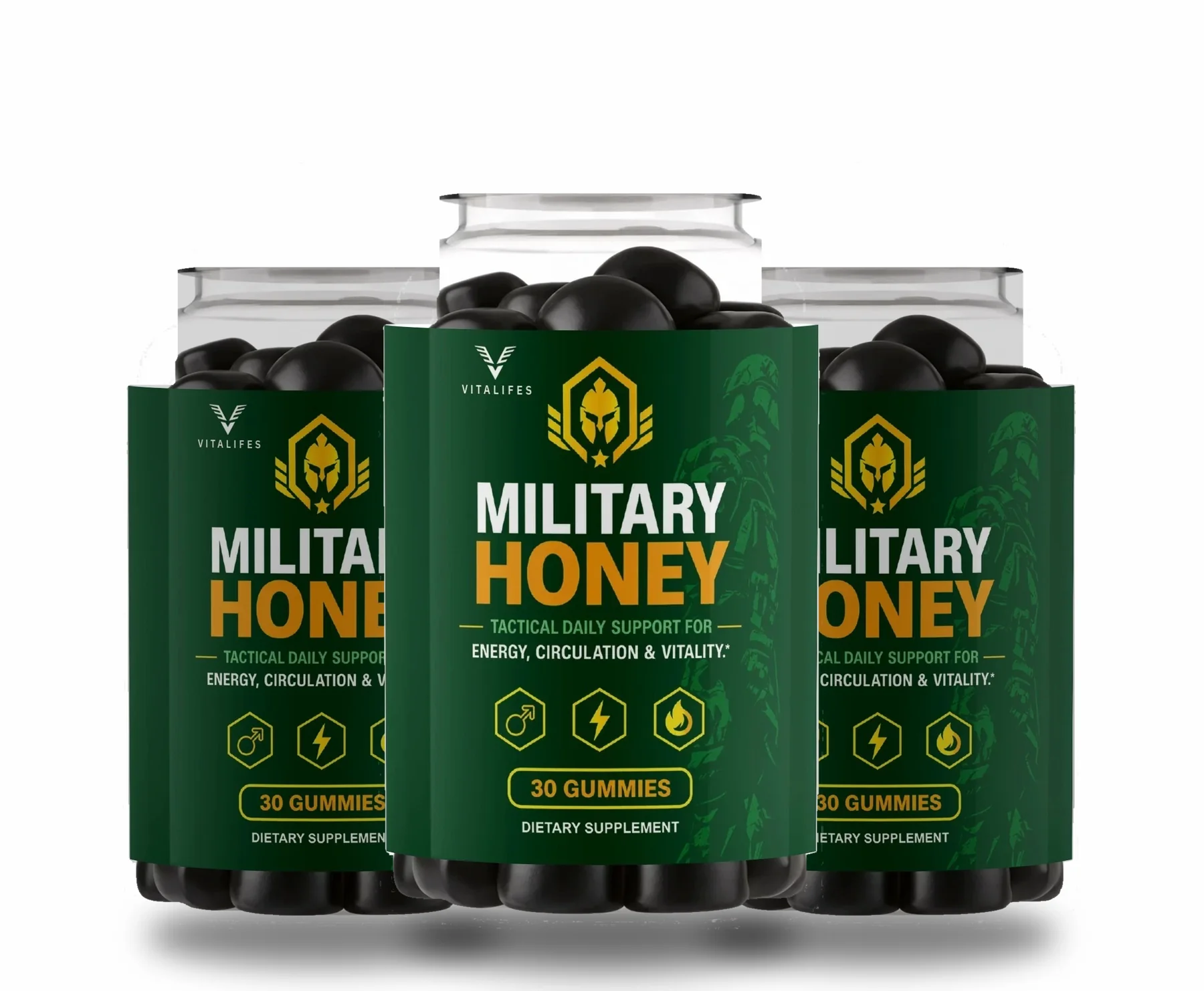
See the boron line for yourself
Open the order page, check the pack terms and compare the bottle you receive with the panel described here.
Sold through a U.S. stocking partner for Military Honey. This site is not the manufacturer and earns when you buy.